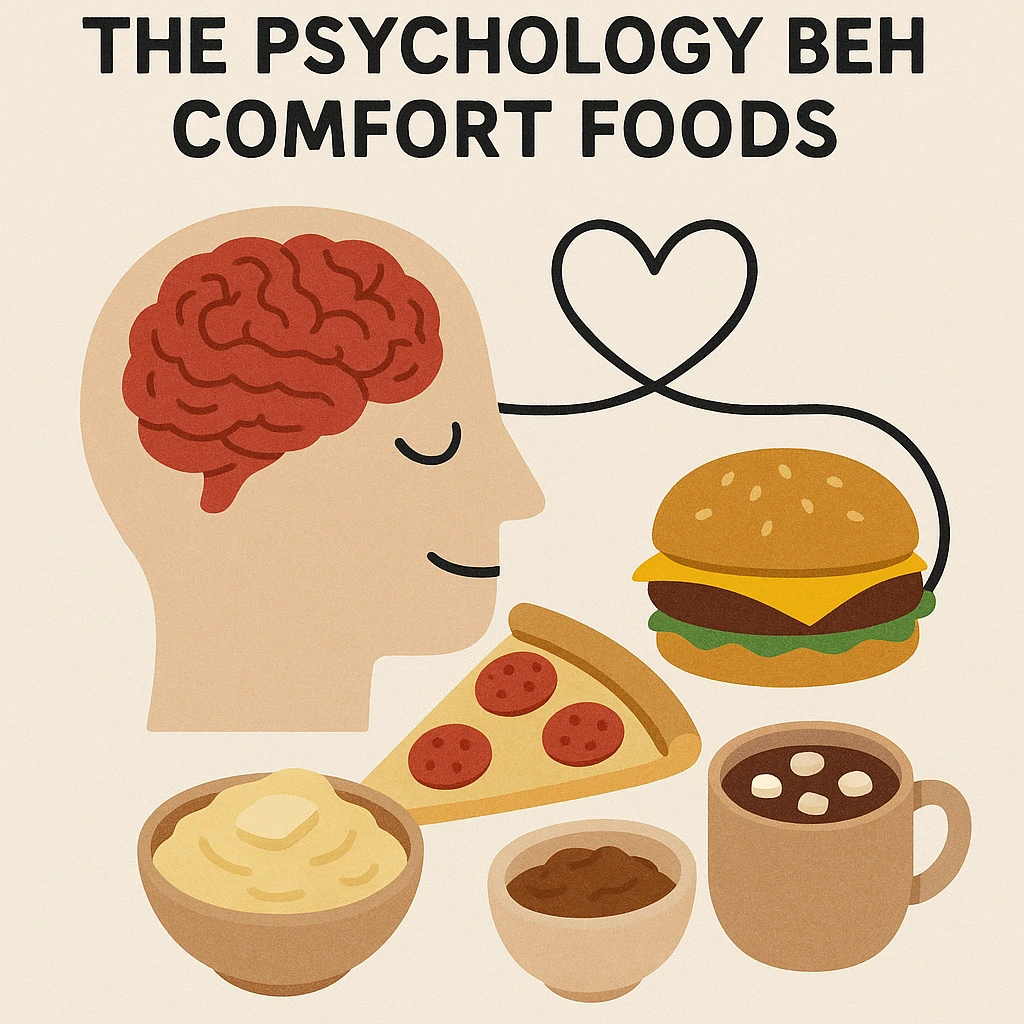
Comfort foods are emotional experiences rather than only meals. Comfort foods have significance that goes well beyond nutrition, whether it's a late-night plate of something creamy and high in carbohydrates, your favorite childhood snack, or a hot bowl of soup on a rainy day. They relax, heal, soothe, and reestablish our emotional and memory connections. However, why do some meals elicit such strong emotions? And why do we most want them when we're feeling anxious, depressed, or nostalgic?
We must investigate the biological mechanisms that make food emotionally satisfying, the psychology underlying our desires, and the cultural and personal narratives that influence our eating habits in order to comprehend comfort foods.
What Makes a Food a “Comfort Food”?
Although everyone has a different comfort food, they all have emotional value. Typically, comfort meals are:
-
Familiar
-
High in calories, carbs, or fat
-
Associated with childhood memories
-
Easy to eat
-
Linked to relaxation or safety
Comfort foods are more typically symbolic of an emotion than a taste. They bring back memories of simpler times, love, home, and belonging. They are more potent than other foods because of this emotional link.
It's interesting to note that comfort food doesn't always have to be bad. Some people find solace in a warm herbal tea, a fruit dessert prepared by a parent, or food consumed during special family occasions.
Why Do We Crave Comfort Foods? The Science Behind Emotional Eating
Cravings for comfort food are influenced by a variety of biological, societal, and psychological factors rather than being random.
1. The Brain’s Reward System
Comfort foods often trigger the release of:
-
Dopamine: The “reward chemical” associated with pleasure and motivation.
-
Serotonin: A mood-stabilizing hormone that promotes relaxation.
-
Endorphins: The body’s natural painkillers, released especially by fats and carbs.
Eating comfort food gives us a momentary emotional boost. A feedback loop is produced as a result:
Stressed out → consuming comfort food → feeling better → craving it once more.
2. Stress and Cortisol: The Hormonal Link
Stress causes the body to release cortisol, a hormone that enhances hunger, particularly for foods high in calories. This made sense from an evolutionary perspective because our predecessors needed energy fast and stress frequently meant danger.
The same reaction is triggered by chronic stress today, but instead of searching for food, we grab for fried appetizers, ice cream, or sweets.
"Comfort foods" and stress frequently go hand in hand since cortisol pushes us toward foods that instantly soothe the brain.
3. Nostalgia and Emotional Memory
Nostalgia is one of the most powerful psychological forces behind comfort food. Emotional anchors are foods associated with special occasions, family customs, or childhood memories.
A warm meal prepared by a grandmother can instantly arouse sentiments of security and affection. You may be reminded of easier times by a school snack. Because food stimulates the senses of taste, smell, sight, and even warmth, the brain retains food-related memories in great detail.
This is why a simple meal can transport us back in time emotionally.
4. The Role of Culture and Social Bonds
Additionally, comfort food is culturally specific. Every culture has dishes like spaghetti in Italy, ramen in Japan, chicken soup in the United States, or khichdi in India that are connected to celebration, healing, or community.
Because they are associated with belonging and community, these foods turn become comfort foods. Even when we're by ourselves, eating them makes us feel connected.
Social ties are strengthened when people eat together, and comfort foods frequently bring back those special times.
Comfort Foods and Mood: Does It Really Help?
Although there is some truth to the common belief that comfort foods elevate mood, the impact is nuanced.
Short-term Relief
Comfort foods provide instant emotional solace. Taste, texture, and chemical responses in the brain work together to produce a calming effect that can momentarily improve mood.
Long-term Patterns
But using food as a coping mechanism for emotions can lead to behaviors where eating becomes the main way to decompress. Although it doesn't always result in overeating, this can lead to a dependency that prevents us from using more constructive emotional coping mechanisms.
The Balance
Understanding why we crave comfort foods and cultivating a positive relationship with them are more important than avoiding them.
Why Some Foods Become Comforting and Others Don’t
Comfort foods are influenced by emotional connections and past experiences.
Childhood Experiences
Foods associated with childhood often become comfort foods because they provide as a reminder of security and nurturing. For instance:
-
A dish your mother made when you were sick
-
A snack you ate during school breaks
-
A special meal from holidays or festivals
Personal Preferences
Another factor is taste preference. While some people prefer savory or spicy comfort meals, others are drawn to sweet ones.
Cultural Traditions
Comfort foods are shaped by shared customs, rituals, and holiday meals. Because these foods are associated with identification and belonging, they feel particularly meaningful.
Comfort Foods and Modern Life
Comfort foods are even more important in the fast-paced world of today. Food is one of the most readily available comforts for people seeking emotional relief from ongoing stress, loneliness, and computer overload.
People often turn to comfort foods during:
-
stressful workdays
-
emotional exhaustion
-
breakups
-
seasonal changes
-
major life transitions
-
nostalgic moods
Comfort foods are now even more accessible because to the growth of delivery apps, which perpetuates the cycle of emotional eating.
The Psychology of Texture and Temperature
Comfort foods often share certain textures or temperatures that evoke specific feelings.
Warm Foods
Warmth is linked to both bodily comfort and safety. This explains the calming effects of soups, hot foods, and warm desserts.
Creamy or Soft Textures
Eating soft meals requires little effort, which is calming. They evoke a sense of being "nurtured," akin to receiving care.
Crunchy Foods
Chewing crunchy foods is a rewarding way to relieve tension and stress. They provide a tangible release.
Cravings for particular textures can be triggered by a variety of emotions; this phenomenon is known to psychologists as sensory-specific satiety.
The Marketing of Comfort Foods
In their marketing, food manufacturers frequently highlight sentimentality, joy, and emotional fulfillment. Words that appeal to the psychology of comfort eating include "homestyle," "classic," "original," and "made with love."
To strengthen emotional connections, advertisements feature families, festivities, comfortable times, and warm kitchens.
Comfort foods already have emotional foundations, so this isn't coincidental; it's deliberate.
How to Enjoy Comfort Foods Without Guilt
There is nothing intrinsically wrong with comfort food. When ingested with awareness, they can really promote emotional wellbeing. Balance is the aim.
Here are some healthy ways to approach comfort eating:
• Understand why you’re craving the food—emotion or hunger?
• Practice mindful eating—slow down and enjoy the experience.
• Pair comfort foods with nutritious options to balance meals.
• Avoid labeling foods as “good” or “bad.”
• Use multiple coping strategies like walking, music, or talking to someone.
Comfort food is a natural element of being human; it only turns unhealthy when it serves as the only way to express emotions.
The Deeper Truth: Food Is Emotion
Comfort foods have a straightforward psychology: food is emotional. It is connected to the first encounters with warmth, caring, and survival. Food is a symbol of protection from birth. We still look for that connection as adults.
More about our emotional world than our hunger levels can be inferred from the meals we crave. They are a reflection of our identity, culture, memories, and the reassuring customs we have accumulated over the course of our lives.
Comfort foods are therefore both potent and lovely.
Final Thoughts
Comfort foods are more than just desires; they are emotional narratives influenced by culture, biology, and memory. They reestablish our sense of warmth, affection, and belonging, which makes them comforting. We can develop a more positive relationship with food that celebrates comfort rather than depending on it for emotional survival by comprehending the psychology underlying it.




Leave a Reply