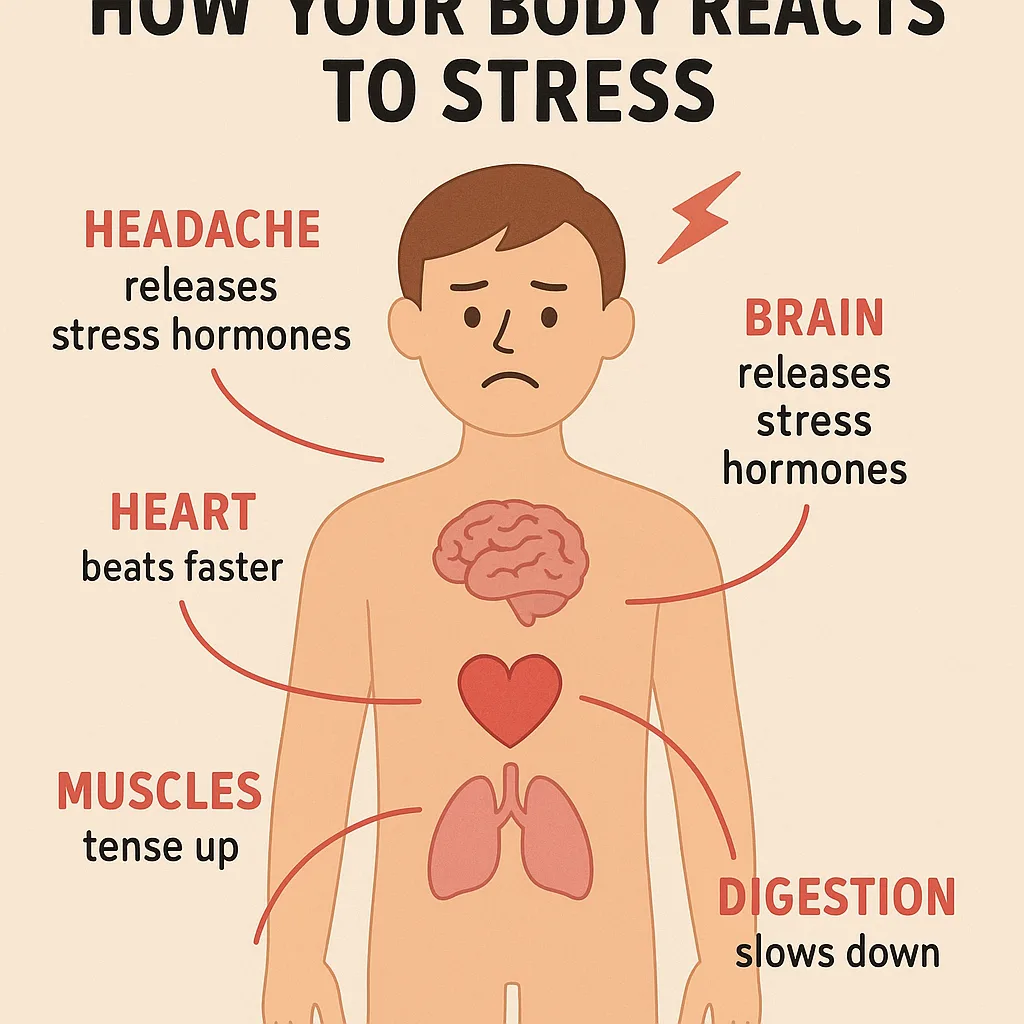
Stress affects the entire body; it's not just a sensation. Stress causes your body to go into a highly coordinated biological reaction that impacts almost all of your bodily systems. The physiological effects of stress are real, quantifiable, and substantial, ranging from the tenseness in your shoulders to the pounding in your chest.
But what actually happens inside your body when you experience stress?
This blog will examine the science of stress from a physiological standpoint, covering the nervous system, hormones, and the long-term health effects of chronic stress.
What Is Stress?
Fundamentally, stress is the "fight or flight" reaction, which is your body's normal reaction to a perceived threat. Although this response once helped our ancestors survive hazardous situations, more contemporary issues like deadlines, traffic, peer pressure, or financial strain frequently cause it to occur today.
There are two broad types of stress:
-
Acute stress: Short-term stress from immediate challenges (e.g., public speaking).
-
Chronic stress: Long-term stress from ongoing situations (e.g., a toxic job or long-term illness).
While acute stress can be helpful in some situations, chronic stress takes a major toll on your body.
The Stress Response: A Chain Reaction
Your brain, endocrine system, and nervous system all work together to trigger a chain reaction when it senses danger. This is the step-by-step progression:
1. Perception of Danger: The Amygdala Reacts
The brain's amygdala, a part involved in processing emotions, is where stress starts. The hypothalamus, which regulates a large number of the body's involuntary processes, receives signals from the amygdala when it perceives or experiences danger.
2. The Hypothalamus Activates the Autonomic Nervous System (ANS)
The autonomic nervous system, which regulates involuntary bodily processes like breathing, digestion, and heart rate, is instantly activated by the hypothalamus.
The "fight or flight" response is brought on by the sympathetic branch of the ANS. It functions similarly to the body's gas pedal.
3. Adrenaline Rush: Immediate Hormonal Surge
Your adrenal glands, which are situated above the kidneys, receive signals from the sympathetic nervous system that cause them to release adrenaline, or epinephrine.
Adrenaline causes immediate physical changes:
-
Increased heart rate
-
Faster breathing
-
Dilated pupils
-
Increased blood flow to muscles
-
Decreased digestion
-
Sweaty palms
These changes prepare your body to either face the threat or run from it.
4. HPA Axis Activation: The Long-Term Stress Hormone
The body activates the HPA axis (Hypothalamic–Pituitary–Adrenal axis), a longer-lasting stress-response system, if the stress lasts longer than a few minutes.
Here’s how it works:
-
The hypothalamus releases CRH (corticotropin-releasing hormone).
-
CRH prompts the pituitary gland to release ACTH (adrenocorticotropic hormone).
-
ACTH signals the adrenal glands to release cortisol — the primary stress hormone.
What Cortisol Does to Your Body
Your body stays on high alert thanks to cortisol. It is helpful in small doses. However, persistently elevated levels can seriously harm your health.
Cortisol’s key physiological effects:
-
Increases blood sugar (for quick energy)
-
Suppresses the immune system
-
Inhibits digestion and reproduction
-
Affects memory formation and mood
-
Increases cravings for salty, fatty foods
Long-Term Effects of Chronic Stress
Chronic stress puts your body in a constant state of alertness, which can lead to major health problems.
1. Cardiovascular Problems
Prolonged stress increases your risk of:
-
High blood pressure
-
Heart attacks
-
Stroke
-
Irregular heartbeats (arrhythmias)
2. Weakened Immune Function
Because cortisol inhibits immune function, you are more susceptible to infections and heal from illnesses or injuries more slowly.
3. Digestive Issues
Stress disrupts gut function, leading to:
-
Acid reflux
-
Ulcers
-
Irritable bowel syndrome (IBS)
-
Bloating and constipation
4. Hormonal Imbalances
Chronic stress interferes with reproductive hormones, contributing to:
-
Irregular menstrual cycles
-
Erectile dysfunction
-
Infertility
5. Weight Gain
Cortisol increases cravings for fatty and sugary foods and promotes the storage of fat, particularly visceral fat (belly fat).
6. Mental Health Concerns
Ongoing stress has been linked to:
-
Anxiety
-
Depression
-
Insomnia
-
Memory issues
The Role of the Parasympathetic Nervous System: “Rest and Digest”
The parasympathetic nervous system takes over to reestablish equilibrium once the threat has passed. It
-
Slows the heart rate
-
Stimulates digestion
-
Promotes calmness
-
Rebuilds depleted energy
This is your body’s recovery mode — and it’s just as important as the stress response itself.
How to Support Your Body Under Stress
Knowing how stress affects the body is just one aspect of the problem. Understanding how to aid in your body's recovery and reset is where the true power resides.
1. Deep Breathing
Slow, controlled breathing activates the parasympathetic system. Try box breathing:
Inhale 4 sec → Hold 4 sec → Exhale 4 sec → Hold 4 sec
2. Exercise
Regular physical activity helps burn off excess cortisol and increases endorphins — your brain’s feel-good chemicals.
3. Sleep
Sleep is essential for resetting hormone levels. Lack of sleep increases cortisol and decreases resilience to stress.
4. Mindfulness & Meditation
Mindfulness practices help reduce amygdala activation and promote emotional regulation.
5. Balanced Nutrition
A diet rich in omega-3s, magnesium, and antioxidants supports brain and adrenal health.
6. Social Connection
Talking to friends or loved ones reduces cortisol and boosts oxytocin — the “bonding hormone” that counters stress.
Final Thoughts
Not all stress is "in your head." It's a biological phenomenon that ripples through your body, impacting everything from your immune system to your digestion, hormones, and heartbeat.
Chronic stress requires your attention, but brief episodes of stress can help you focus and perform better. Long-term health depends on your ability to identify the physical symptoms and assist your body in healing itself.
You can’t eliminate stress from life — but you can learn how to master your physiological response to it.




Leave a Reply