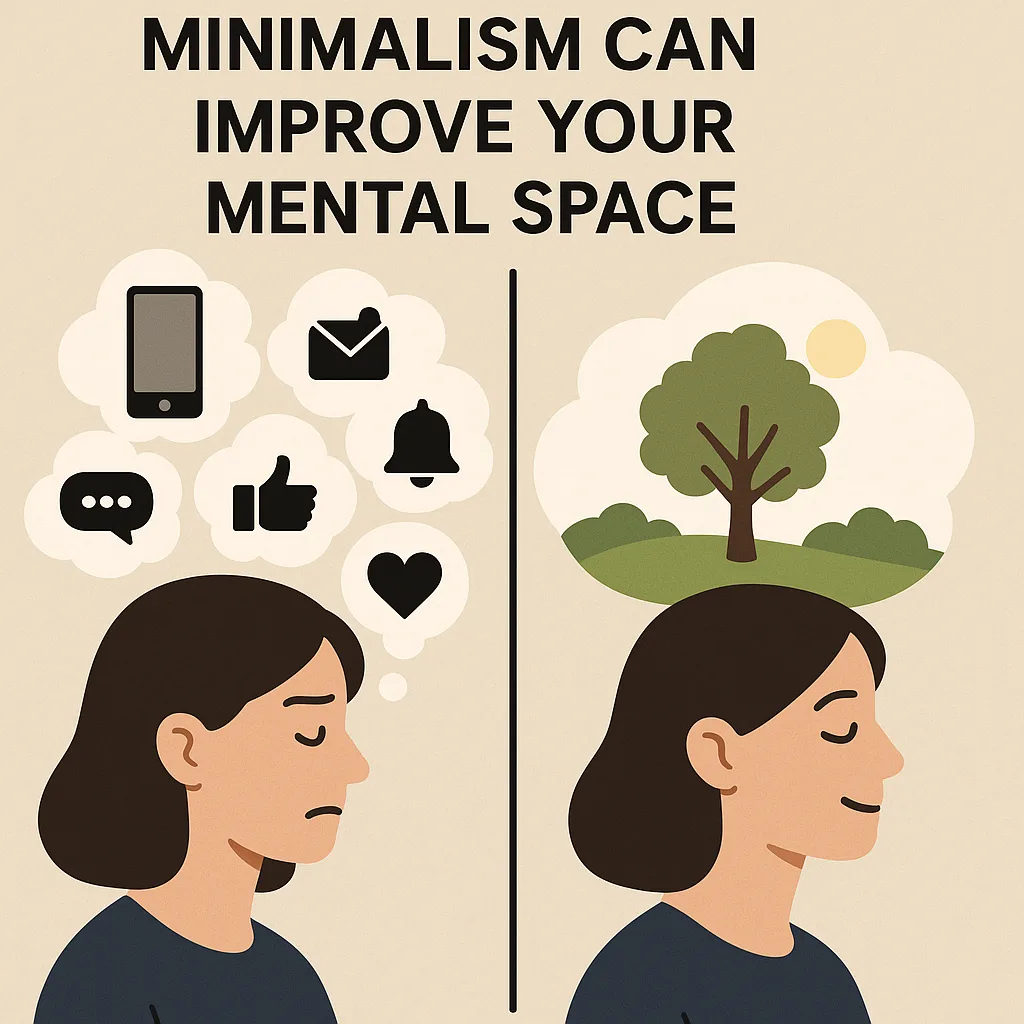
From work and communication to leisure and shopping, technology has become an indispensable part of our daily life. However, digital overload is an overpowering side effect of this convenience. Productivity and emotional health are negatively impacted by incessant notifications, never-ending scrolling, and the urge to be online. For this reason, Digital Minimalism has become a revolutionary way of thinking.
Digital simplicity does not mean giving up on technology. Rather, it's about deliberately selecting digital tools that enhance your life and letting go of the rest. We create room for more concentration, serenity, and deep connections by reducing digital clutter.
Digital minimalism might be the secret to safeguarding your mental space in the modern world, where distraction is ubiquitous and attention is a valuable resource.
What Is Digital Minimalism?
A lifestyle concept known as "digital minimalism" promotes deliberate rather than impulsive use of technology. The objective is to improve rather than limit the digital behaviors that influence our day-to-day existence.
At its core, digital minimalism asks three questions:
-
Does this digital tool serve a purpose?
-
Is it aligned with my goals and values?
-
Does it support my well-being rather than drain it?
It is a deliberate strategy that puts us in charge of technology rather than under its control.
Why Our Minds Need Digital Minimalism
Technology is meant to be addicting. Psychological cues are used by social media companies to keep us scrolling. Apps use audio, badges, and notifications to compete for users' attention. There is always more stuff available online.
The result?
Mental clutter.
There is little time for creativity, tranquility, or introspection since our brains are always processing distractions. According to several research, excessive digital use raises:
-
Stress and anxiety
-
Lack of focus
-
Sleep disruptions
-
Social comparison
-
Overstimulation
The mental rest necessary for normal brain function is blocked by digital overload. Digital minimalism aids in reestablishing equilibrium.
The Psychology Behind Digital Overwhelm
The dopamine reward system is triggered by each ping and notification, which motivates us to check our smartphones frequently. Over time, this leads to dependency—not because we like every alert, but rather because we worry about missing something crucial.
This leads to:
Cognitive Fatigue
Working memory is overloaded while switching between tasks, such as emails, chats, and feeds. Despite feeling occupied, constant multitasking lowers productivity.
Attention Fragmentation
Our attention becomes scattered across dozens of micro-tasks. Deep focus becomes rare.
Emotional Stress
Comparing lives on social media leads to insecurity, fear of missing out (FOMO), and social anxiety.
By lowering these psychological strains, digital minimalism enhances life satisfaction and mental health.
How Digital Minimalism Improves Your Mental Space
The benefits are profound and scientifically supported.
1️⃣ More Focus and Productivity
Concentration rises with fewer distractions. By eliminating digital noise, digital minimalism enables the mind to focus entirely on one job at a time.
Without constant interruptions, the brain can engage in deep work, leading to:
-
Better learning
-
Higher efficiency
-
Improved problem-solving
Work that once took hours can be done in less time when focus is uninterrupted.
2️⃣ Reduced Stress and Anxiety
The brain is kept in stress-alert condition by constant notifications. You can induce mental tranquility by restricting or disabling superfluous apps.
A quieter digital environment results in:
-
Lower cortisol levels
-
Better emotional regulation
-
A more relaxed nervous system
Your mind finally gets to rest.
3️⃣ Better Sleep and Energy Levels
Blue light exposure at night impairs melatonin production. Scrolling right before bed also overstimulates the brain, making it more difficult to fall asleep.
Digital minimalism encourages:
-
Reducing bedtime screen use
-
Removing devices from the bedroom
-
Mindful nighttime routines
Improved sleep = improved mood, health, and clarity.
4️⃣ Stronger Real-Life Relationships
When digital interactions predominate, physical ties become less valuable. Restoring meaningful communication is aided by digital minimalism.
Putting the phone down during conversations:
-
Builds deeper intimacy
-
Improves empathy and presence
-
Reduces feelings of loneliness
You become more connected to the moment — and to people around you.
5️⃣ More Time for Personal Growth
Time saved from scrolling can be redirected into:
-
Hobbies
-
Reading
-
Fitness
-
Learning new skills
-
Self-reflection
Digital minimalism unlocks hours that can reshape your life.
6️⃣ Increased Self-Awareness
Emotions like boredom, anxiety, and insecurity are frequently concealed by digital habits. You have a more honest understanding of yourself when you take a step back.
This creates mental resilience and emotional intelligence.
Digital Minimalism Doesn't Mean Digital Life Ends
It's a prevalent misperception that digital minimalism entails erasing everything. However, curation is more important than eradication.
You choose what stays.
You keep what supports your goals and remove what drains your mind.
Your digital environment becomes a tool — not a distraction.
How to Practice Digital Minimalism (Simple Strategies)
Small actions have a big impact. Here are some simple yet effective ways to get started:
• Disable unnecessary notifications
• Unfollow accounts that don’t add value
• Remove addictive apps from your home screen
• Limit screen time with app timers
• Designate phone-free hours (like during meals or mornings)
• Keep fewer tabs open while working
• Turn off autoplay on social platforms and streaming apps
• Use grayscale mode to reduce phone appeal
• Store devices away during sleep
Each step moves you closer to digital clarity and peace.
Digital Decluttering: Cleaning the Online Mess
Digital clutter overwhelms the brain, much like a dirty space affects mood. Maintaining a clean digital environment can help you think more clearly:
-
Delete old files, photos, and unused apps
-
Organize emails into folders and unsubscribe from spam
-
Remove duplicates and clean up storage
-
Simplify your home screen to essential tools
Minimalism isn’t just visual — it’s mental.
Mindful Consumption: Being Present with Technology
Technology becomes fulfilling when you use it purposefully.
Ask yourself before opening an app:
“Am I here for a reason or out of habit?”
Mindful use reshapes your digital relationship without restriction, helping you stay in control.
Digital Minimalism Builds Emotional Strength
Real emotions emerge when the distraction buffer is removed. Rather than using screens to get away from discomfort, you develop:
-
Self-regulation
-
Patience
-
Strong coping skills
You learn to sit with your thoughts — a powerful practice in mental well-being.
The Bigger Picture: Reclaiming Your Life
Digital minimalism opens space not just on your screen, but in your mind:
✔ Clearer thoughts
✔ Calm emotional landscape
✔ Greater presence in daily life
✔ Stronger sense of purpose
It reconnects you with what truly matters — your goals, your passions, your relationships.
The less your attention is stolen by meaningless content, the more it can focus on meaningful living.
Final Thoughts
Technology will keep developing, getting faster and requiring more of our focus. However, we can choose how we engage with it.
Digital minimalism is a change in perspective rather than a fad. One that encourages intentional life, emotional equilibrium, and mental clarity.
By simplifying your digital world, you create space for a healthier, happier mind.
Because in the end, your attention is your most valuable resource — spend it wisely.




Leave a Reply