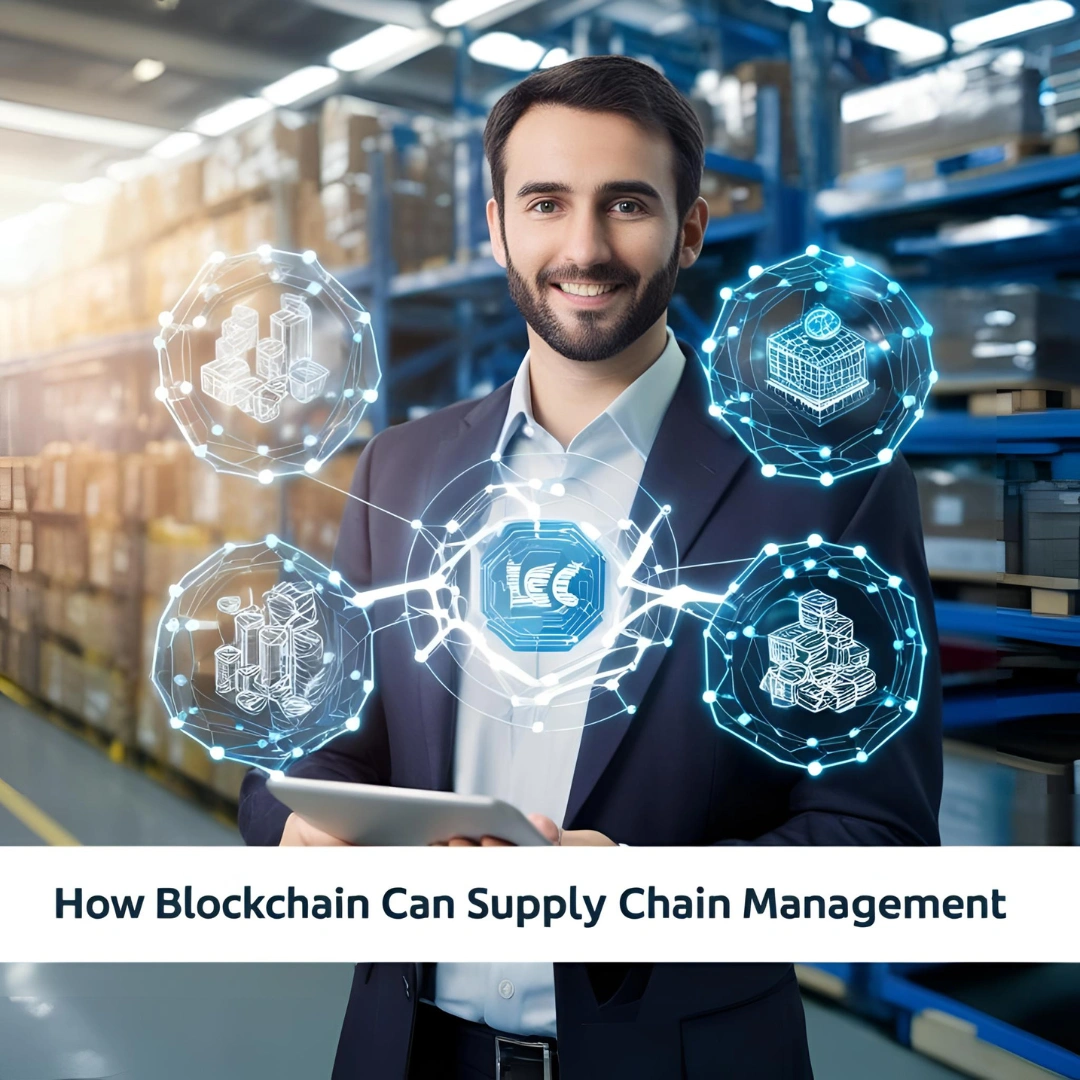
Supply chains are more complicated than ever in the modern global economy. Before products reach the consumer, they go through a number of hands, including suppliers of raw materials, manufacturers, distributors, and retailers. Significant difficulties accompany this complexity, including inefficiency, fraud, counterfeiting, a lack of transparency, and expensive mistakes. However, supply chain management is about to undergo a significant transformation thanks to blockchain technology, which is most famously used to power cryptocurrencies like Bitcoin.
The benefits of blockchain technology, its practical uses, and how solutions like temporary email services (10minutesmails, mytemp-mail, Free Temp Mail) can enhance secure supply chain communications will all be covered in this blog.
What Is Blockchain?
Understanding blockchain is crucial before implementing supply chain enhancements. To put it simply, blockchain is a decentralized digital ledger that securely, transparently, and irrevocably records transactions across numerous computers. A list of transactions makes up each "block" in the chain, and once a block is added, it is nearly hard to change the data without also altering every block after it.
This level of transparency and security makes blockchain ideal for industries that depend on the accurate tracking of goods, services, and financial transactions, such as supply chains.
Challenges in Traditional Supply Chain Management
Traditional supply chains face many problems, including:
🔹 Lack of transparency: It's frequently challenging to track a product's path from manufacturer to customer.
🔹 Counterfeiting: High-value products that are commonly counterfeited, such as luxury goods, electronics, and medications, cause large losses.
🔹 Inefficiencies: Miscommunication, manual paperwork, and a lack of real-time data all cause operations to lag and expenses to rise.
🔹 Limited traceability: When issues arise, like food product contamination, determining the cause may take weeks.
🔹 Trust issues: There are several parties engaged, and not everyone has faith in the information that others have provided.
Blockchain technology addresses all these challenges head-on.
How Blockchain Transforms Supply Chain Management
1. Enhanced Transparency and Traceability
Every transaction and movement of commodities is tracked by blockchain technology and made instantly available to authorized parties. Data cannot be changed once it has been entered. This implies:
✔️ Consumers can verify product origins. ✔️ Companies can detect bottlenecks instantly. ✔️ Regulators can audit supply chains easily.
Example: From the farm to the cup, a coffee brand can track its beans. Consumers can view the locations of the beans' cultivation, processing, and roasting by scanning a QR code on the packaging.
2. Improved Security
Blockchain secures data using cryptographic concepts. The system is not governed by a single entity due to its decentralized nature. This lowers the possibility of hacks, fraud, and tampering. Processes like payments and shipping are also automated and secured using smart contracts, which are self-executing agreements with predetermined rules.
As an illustration, when goods reach a port, a smart contract confirms delivery and releases money to the supplier automatically, removing any possibility of human error or delay.
3. Faster and More Efficient Operations
Conventional supply chains are slow because they mostly rely on paperwork and manual checks. Blockchain speeds up procedures and lowers costs by automating record-keeping and bringing all parties together in a single, transparent system.
Example: Customs delays are a common occurrence for international goods. Blockchain can expedite border crossings by providing all required paperwork and approvals in a safe, digital manner.
4. Fighting Counterfeiting
Blockchain makes counterfeiting extremely difficult by generating a unique, verifiable record of each commodity. Businesses and consumers can check legitimacy at any point.
Example: Blockchain technology in the pharmaceutical sector protects patients against harmful counterfeit drugs by guaranteeing that prescriptions are authentic and haven't been tampered with during delivery.
5. Better Inventory Management
Better inventory control is made possible by real-time tracking on the blockchain. Accurate, real-time shipment and delivery data helps businesses prevent overstocking or product shortages.
Example: Retailers avoid shortages and waste by adjusting orders based on their precise knowledge of when new goods will arrive.
Real-World Use Cases of Blockchain in Supply Chains
Blockchain is currently being used by numerous large corporations to enhance their supply chains:
🔹 Walmart: monitors produce, including leafy greens, to promptly pinpoint contamination sources.
🔹 IBM Food Trust: works together with food suppliers to guarantee the food supply chain's safety and transparency.
🔹 De Beers: prevents conflict diamonds from getting into the supply chain by keeping an eye on diamonds from the mine to the market.
🔹 Maersk: reduces bureaucracy and delays in international shipping and freight management by utilizing blockchain technology.
How Temporary Emails Support Blockchain-Based Supply Chains
As blockchain adoption grows in supply chains, so does the need for secure communication. This is where temporary email services like 10minutesmails, mytemp-mail come in.
Benefits of Using Temporary Emails in Blockchain Supply Chains:
✔️ Protect Privacy: You can use temp mail to protect your personal or business email address when testing new supply chain apps or blockchain platforms.
✔️ Reduce Spam: Avoid having too many services in your email when you sign up for them.
✔️ Safely Test DApps: Decentralized apps (DApps) are a common feature of blockchain supply chain solutions. With no long-term commitments, temporary emails aid in testing these systems.
✔️ Prevent Phishing: Phishing attempts frequently occur in emails related to the supply chain. Your vulnerability to possible scams is reduced when you use a temporary email address.
Future of Blockchain in Supply Chain Management
Supply chain management and blockchain are still developing. In the future, we should anticipate:
🔹 IoT Integration: Shipment sensors will automatically provide real-time temperature, location, and condition data to blockchain ledgers.
🔹 Global Standards: To guarantee seamless cross-border trade, international organizations are attempting to standardize blockchain technologies.
🔹 AI and Blockchain Synergy: Blockchain data may be analyzed by AI to foresee supply chain interruptions before they occur.
🔹 Consumer Empowerment: More companies will use blockchain-enabled QR codes to let customers track things directly.
Key Takeaways
- Blockchain brings transparency, security, and efficiency to supply chain management.
- It helps prevent counterfeiting, reduce costs, and streamline operations.
- Real-world use cases prove blockchain is already transforming industries.
- Temporary email services like 10minutesmails, mytemp-mail help protect communication when exploring new blockchain solutions.
- The future promises even greater innovations as blockchain integrates with IoT and AI.
Final Thoughts
Global trade relies heavily on supply networks, which are being redefined by blockchain technology. Blockchain is addressing some of the major issues facing the sector by increasing security, accelerating transactions, and improving transparency.
Blockchain's influence on supply chains will be advantageous to all parties, whether you're a consumer wanting transparency in your purchases or a corporation trying to streamline your logistics.
Use temporary addresses like 10minutesmails and mytemp-mail to safeguard your privacy while investigating blockchain solutions. This will help you stay away from spam, scams, and needless data exposure. Supply chain management will be safer, more transparent, and more effective in the future with the correct tools.



Leave a Reply