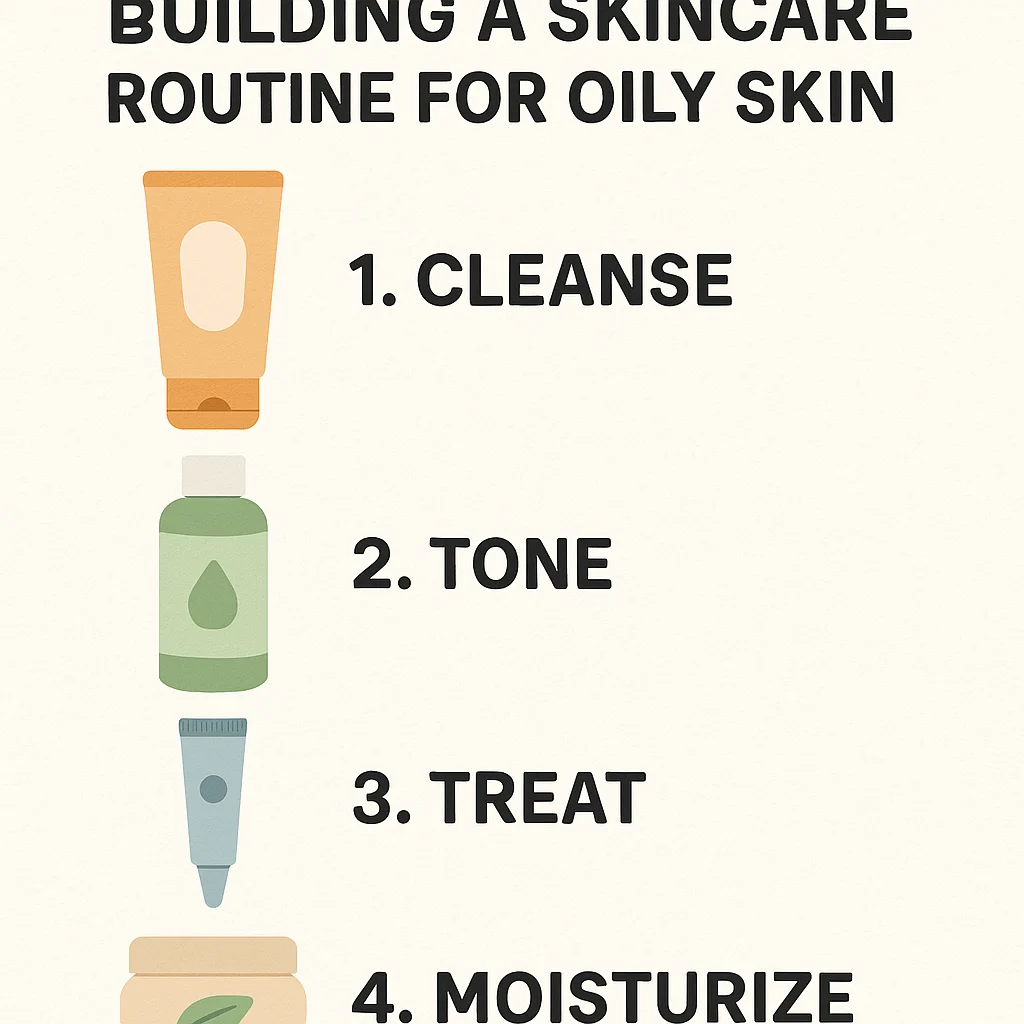
It can seem like an endless struggle to deal with oily skin. It takes more than a quick face wash to control excess oil, which can lead to undesirable shine and recalcitrant breakouts. However, oily skin doesn't have to be an issue with the correct skincare regimen; in fact, it can be one of your best features. Compared to dry or combination skin types, oily skin is inherently more hydrated and ages more slowly.
This blog will explain how to create a skincare regimen that works for oily skin, what to look for (and avoid), and how to maintain balanced, clear, and glowing skin without looking greasy.
Understanding Oily Skin
Excessive production of sebum (your skin's natural oil) by overactive sebaceous glands is the cause of oily skin. Sebum is necessary to maintain healthy, hydrated skin, but too much of it can clog pores, cause acne, and make your face look shiny.
Common signs of oily skin include:
-
Shiny or greasy appearance, especially in the T-zone (forehead, nose, chin)
-
Enlarged or visible pores
-
Frequent breakouts, blackheads, or whiteheads
-
Makeup sliding off throughout the day
-
Skin feels thick or textured
Balance is the key to treating oily skin; gentle, regular care will control oil production rather than drying out your skin.
The Ideal Skincare Routine for Oily Skin
A successful skincare regimen doesn't have to be difficult. All you need is the appropriate products, applied at the appropriate frequency and in the appropriate order.
Here’s a step-by-step routine tailored for oily skin:
1. Cleanser (Twice a Day)
Why it matters: Excess oil, debris, bacteria, and leftover makeup that can clog pores are all removed by cleansing.
What to look for:
-
Gel-based or foaming cleansers
-
Ingredients like salicylic acid, benzoyl peroxide, tea tree oil, or niacinamide
-
Oil-free and non-comedogenic formulas
Avoid:
-
Creamy or overly hydrating cleansers
-
Harsh soaps that strip the skin (they can trigger even more oil production)
Recommended Tip: Cleanse first thing in the morning to get rid of oil buildup while you sleep, and then again at night to get rid of pollutants and contaminants.
2. Toner (Optional but Helpful)
Why it matters: After cleansing, toners aid in removing any remaining contaminants and restoring the skin's pH balance. Some also lessen shine and tighten pores.
What to look for:
-
Alcohol-free toners
-
Ingredients like witch hazel, niacinamide, or BHA (beta hydroxy acids)
Avoid:
-
Toners with high alcohol content — they can irritate and dehydrate your skin, causing rebound oiliness.
Bonus: Additionally, a calming, balancing toner can help your skin absorb moisturizers and serums more efficiently.
3. Serum or Treatment (Once a Day)
Why it matters: Concentrated formulas called serums are made to address particular issues like acne, uneven skin tone, or excessive oil production.
What to look for:
-
Niacinamide (reduces oil production and inflammation)
-
Salicylic acid (exfoliates inside the pores)
-
Retinol (regulates oil and helps with acne/scarring)
-
Vitamin C (brightens skin, helps with pigmentation)
How to apply: Apply a tiny bit to clean skin. If you're introducing active ingredients like acids or retinol, start out slowly (every other day).
4. Moisturizer (Twice a Day)
Yes, even oily skin needs moisturizer! If you skip it, your skin will try to make up for the dehydration by producing more oil.
What to look for:
-
Oil-free, water-based moisturizers
-
Lightweight gel or lotion textures
-
Ingredients like hyaluronic acid, glycerin, aloe vera
Avoid:
-
Heavy creams or occlusive formulas (like petroleum jelly)
-
Products with mineral oil or lanolin
Pro Tip:Use a mattifying moisturizer during the day and a different one at night (it may be a little richer with treatment qualities).
5. Sunscreen (Every Morning)
Why it matters: UV rays can damage collagen, increase pigmentation, and exacerbate acne and oily skin. You must wear sunscreen.
What to look for:
-
Broad-spectrum SPF 30 or higher
-
Gel or fluid textures
-
Mineral sunscreens (zinc oxide, titanium dioxide) are often better tolerated
Avoid:
-
Heavy, greasy sunscreens that leave a white cast or clog pores
Recommended: Reapply every 2–3 hours if you’re outdoors or sweating.
Optional Add-ons (2–3 Times Per Week)
These steps aren’t daily essentials but can dramatically improve oily skin when used occasionally:
1. Exfoliation
Why it matters: Helps unclog pores, remove dead skin cells, and prevent breakouts.
What to look for:
-
Chemical exfoliants like salicylic acid (BHA) or glycolic acid (AHA)
-
Gentle exfoliating toners or peels
Avoid:
-
Harsh physical scrubs (they can irritate skin and worsen acne)
Frequency: 1–3 times a week depending on your skin’s sensitivity.
2. Clay Masks
Why it matters: Clay reduces inflammation, deep cleans pores, and absorbs extra oil.
Best ingredients:
-
Bentonite clay
-
Kaolin clay
-
Charcoal
Use: Once or twice a week, especially before events when you want a matte finish.
3. Blotting Papers or Mattifying Primers (Daytime Support)
Blotting papers help soak up oil without ruining makeup, while primers can reduce shine throughout the day.
Best Ingredients for Oily Skin
Here’s a cheat sheet of ingredients oily-skinned folks should look for:
-
Niacinamide – reduces oil and tightens pores
-
Salicylic Acid (BHA) – unclogs pores and reduces acne
-
Retinoids/Retinol – regulates oil and smooths skin
-
Zinc – anti-inflammatory and sebum-regulating
-
Hyaluronic Acid – hydrates without oil
-
Tea Tree Oil – natural antibacterial
-
Clay – absorbs oil and detoxifies
Ingredients to Avoid If You Have Oily Skin
-
Coconut oil – comedogenic
-
Lanolin – heavy and pore-clogging
-
Mineral oil – too occlusive
-
Alcohol-based toners – drying and irritating
-
Fragrance – potential irritant
Common Mistakes People Make with Oily Skin
-
Over-washing the face – Can lead to even more oil production.
-
Skipping moisturizer – Dehydrated skin overproduces oil to compensate.
-
Using harsh scrubs or alcohol-based products – Damages the skin barrier.
-
Piling on too many actives at once – Can cause irritation and make things worse.
-
Not being consistent – Skincare takes time. Give your routine at least 4–6 weeks before judging results.
Diet and Lifestyle Tips for Oily Skin
Skincare doesn’t end at the surface. Here are a few internal habits that help support healthy skin:
-
Stay hydrated – Dehydration triggers oil production.
-
Limit sugar and dairy – Can worsen breakouts in some people.
-
Eat more omega-3s – Found in fish, chia seeds, and flaxseeds.
-
Manage stress – Cortisol increases oil production.
-
Change pillowcases regularly – Prevents buildup of bacteria and oils.
Final Thoughts
Although it might take some time and trial and error, oily skin is by no means a curse. You can have balanced, clear skin without having to constantly blot your face or deal with breakouts if you follow the proper skincare regimen.
The secret is to pay attention to your skin's signals while you gently cleanse, hydrate, exfoliate, and protect every day.




Leave a Reply